November 19, 2026
Deciding whether to preserve or remove a decayed or damaged tree is one of the most critical choices a property owner faces. Trees provide invaluable benefits to residential and commercial landscapes, from offering cooling shade and natural beauty to sequestering carbon and supporting local wildlife. However, a compromised tree can quickly transform from an ecological asset into an immediate hazard. Balancing preservation against necessary removal demands a thorough evaluation of biological health, structural integrity, legal boundaries, and overall financial costs. Engaging qualified tree services ensures an accurate assessment, helping you safeguard your surrounding environment while mitigating catastrophic property damage.
Every mature tree on your landscape represents years of growth and ecological investment. Yet, when decay enters the trunk or heavy storms compromise major limbs, human safety and property protection must take precedence. Understanding the vital factors outlined in this comprehensive guide will give you the knowledge needed to evaluate risks, communicate effectively with arborists, and determine the ideal management path for your property.
Assessing Overall Tree Health and Structural Stability
Identifying Physical Signs of Decay
Trees exhibit recognizable physical symptoms when their internal structural health is compromised. Key visual warnings include deep fissures or vertical cracks along the trunk, widespread bark loss, and the sudden appearance of fungal conks or mushrooms near the root flare. Internal hollows and decayed cavities indicate that the woody tissue responsible for mechanical support is decomposing. Furthermore, dieback throughout the upper crown, broken scaffold limbs, or an abrupt lean accompanied by mounded soil at the base all point toward compromised structural integrity. Homeowners noticing these signs should immediately reach out to certified tree services to evaluate whether the wood retains sufficient sound holding capacity to stand safely.
Conducting a Detailed Professional Evaluation
Visual self-inspections provide helpful clues, but they cannot replace the scientific diagnostic techniques of an ISA-certified arborist. Professional specialists use acoustic tomography, resistance micro-drilling, and canopy assessments to evaluate internal wood density without causing unnecessary injury to the specimen. During an on-site consultation, experts examine structural defects, identify systemic pathogens, and gauge the overall percentage of compromised tissue. According to Today's Homeowner, a tree that's more than 50% decayed or damaged may need to be removed. Enlisting reputable tree services ensures that decisions are rooted in diagnostic precision rather than guesswork, giving owners objective clarity before undertaking major corrective steps.
Evaluating Species Resilience and Wood Strength
Different tree species respond uniquely to environmental stress, physical wounds, and biological decay. For example, robust hardwood species such as white oaks possess strong internal compartmentalization mechanisms, allowing them to isolate wounded zones and slow the spread of decay. In contrast, fast-growing softwoods or brittle hardwoods like silver maples and willows decay quickly once fungal pathogens breach their outer bark. Understanding how a given species responds to stress helps specialists determine its realistic lifespan post-injury. Professional tree services take species biology into account when determining whether preservation treatments will be a worthwhile investment or merely delay unavoidable removal.
Measuring Target Hazards and Surrounding Risks
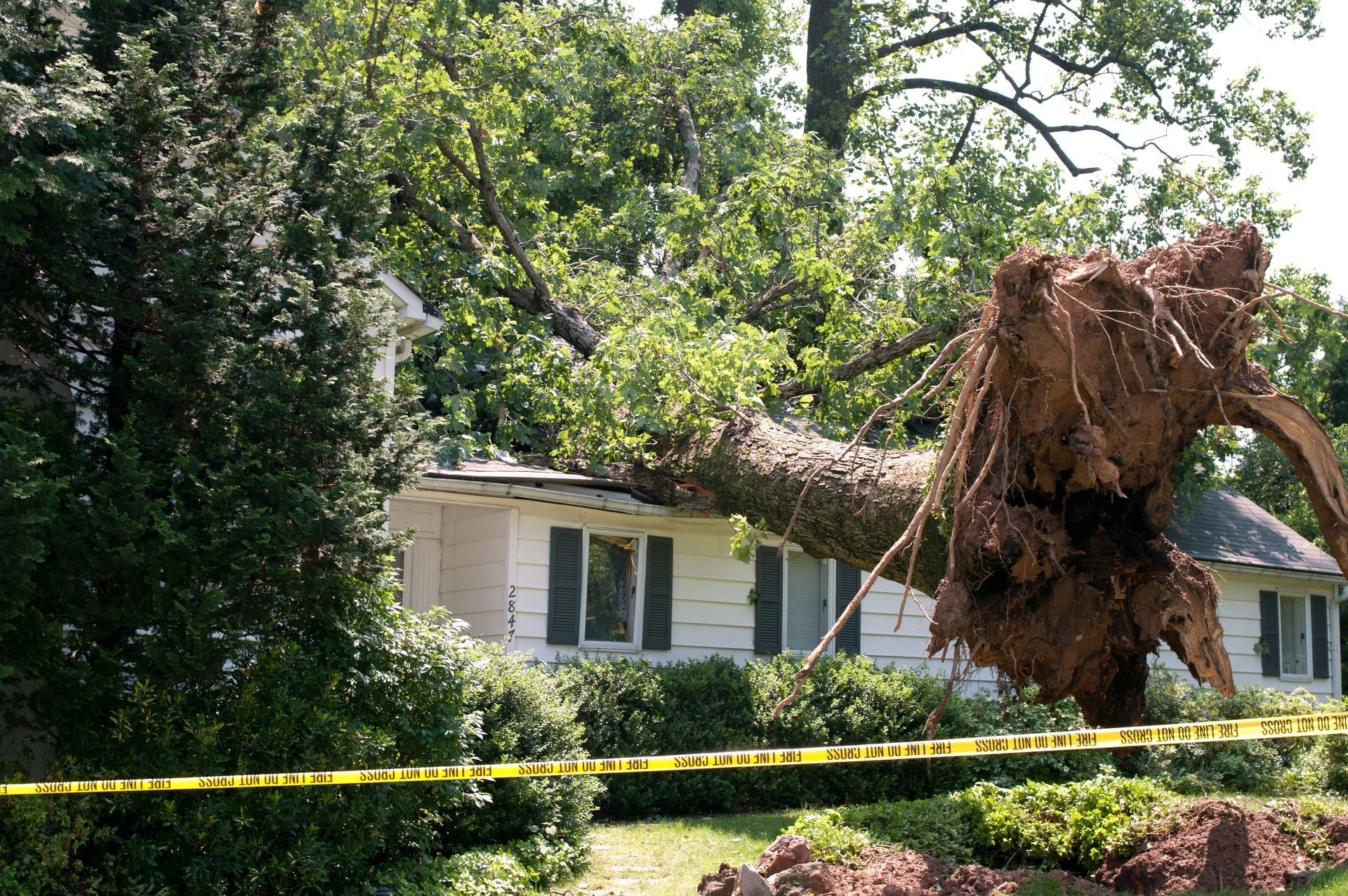
A damaged tree in the middle of a vast pasture poses minimal danger, but that same tree standing alongside a home or power line represents a serious liability. Arborists evaluate risk using the concept of targets, which encompasses any structure, vehicle, or pedestrian path located within the anticipated fall zone. Technicians evaluate the likelihood of structural failure, the potential impact zone, and the severity of possible damage. If structural weaknesses coincide with high-traffic zones or occupied buildings, immediate intervention is non-negotiable. Experienced tree services will prioritize your safety by calculating these risk ratings before recommending support systems or complete extraction.
Weighing Environmental, Aesthetic, and Practical Considerations
Maintaining Critical Ecological and Landscape Benefits
Mature canopy trees contribute irreplaceable environmental benefits to local microclimates and regional ecosystems. They reduce urban heat island effects, manage stormwater runoff through root uptake, intercept airborne particulates, and serve as essential nesting habitat for indigenous birds and pollinators. Removing a mature canopy instantly alters local moisture cycles and exposes underlying soil to erosion. Whenever a tree can be safely preserved through target pruning and soil remediation, maintaining its ecological function remains the preferred environmental choice. Consulting professional tree services allows property owners to explore preservation strategies that sustain these environmental functions without jeopardizing human safety.
Preserving Property Value and Aesthetic Appeal
The visual presence of healthy, well-maintained trees adds tangible market value to residential neighborhoods. Established landscaping creates attractive curb appeal, lowers household energy bills through natural shading, and fosters tranquil outdoor living spaces. Conversely, neglected trees with dead hanging limbs, diseased crowns, or decaying trunks detract from architectural aesthetics and can lower buyer interest. Property owners must weigh the aesthetic and financial value of a mature tree against the liabilities it presents. Regular maintenance from experienced tree services helps balance landscape beauty with structural safety, protecting property value over the long haul.
Anticipating the Consequences of Complete Tree Loss
Felling a prominent tree permanently alters your landscape's lighting, drainage, and appearance. Removing a primary shade tree often causes sudden heat stress for surrounding shade-tolerant understory plantings, lawn turf, and nearby shrubs. Soil compaction from heavy equipment can also affect adjacent root systems if work is carried out carelessly. Recognizing these post-removal consequences allows property owners to plan mitigation steps, such as choosing native replacement species or adjusting landscape irrigation. Discussing your site plan with qualified tree services ensures that any removal process minimizes disturbance to the surrounding terrain and vegetation.
Balancing Human Safety with Forest Preservation
Finding the middle ground between safety and environmental preservation represents one of the greatest challenges in arboriculture. While public safety must remain the top priority, jumping straight to removal without exploring stabilization techniques often results in the unnecessary loss of centuries-old trees. Modern arboricultural solutions, including dynamic cabling systems, crown reduction, and canopy thinning, can relieve mechanical loads on vulnerable stems while allowing the tree to stand safely. By partnering with dedicated tree services, property owners can explore targeted interventions that address structural vulnerabilities while keeping valued specimen trees intact.
Navigating Legal, Ethical, and Community Responsibilities
Complying with Municipal Ordinances and Permits
Urban and suburban tree removal is rarely just a personal choice; municipal bylaws and environmental statutes frequently govern it. Many jurisdictions enforce strict tree preservation bylaws requiring formal permits, arborist impact assessments, and mandatory canopy replacement ratios before a tree exceeding specific trunk diameter thresholds can be felled. Removing a regulated specimen without proper municipal authorization can lead to heavy municipal fines and mandatory replanting orders. Established tree services routinely handle local regulatory frameworks and assist property owners in securing the necessary municipal documentation before starting work.
Addressing Boundary Lines and Neighbor Concerns
Trees positioned near boundary lines frequently trigger legal conflicts between neighbors. Overhanging branches, penetrating surface roots, and dropped debris often raise questions regarding maintenance obligations and legal liability. Generally, property owners retain the legal right to trim encroaching branches back to their property boundary, provided the pruning does not kill or destabilize the tree. However, felling a shared boundary tree requires mutual written consent from all deed holders. Proactively consulting neighboring homeowners and hiring neutral, insured tree services helps avoid boundary disputes while ensuring that boundary maintenance conforms to established arboricultural standards.
Deciding whether to save or remove a decayed or damaged tree requires balancing biological health, structural safety, environmental value, and legal obligations. While mature trees provide vital environmental and financial benefits, heavily decaying specimens can present immediate hazards that cannot be overlooked. By scheduling regular inspections, monitoring for early signs of decay, and consulting certified tree services, property owners can make sound, responsible decisions. Whether through targeted structural cabling or necessary removal, timely action preserves the balance between personal safety and environmental stewardship. Call C & J Tree Services today to learn more.