September 10, 2026
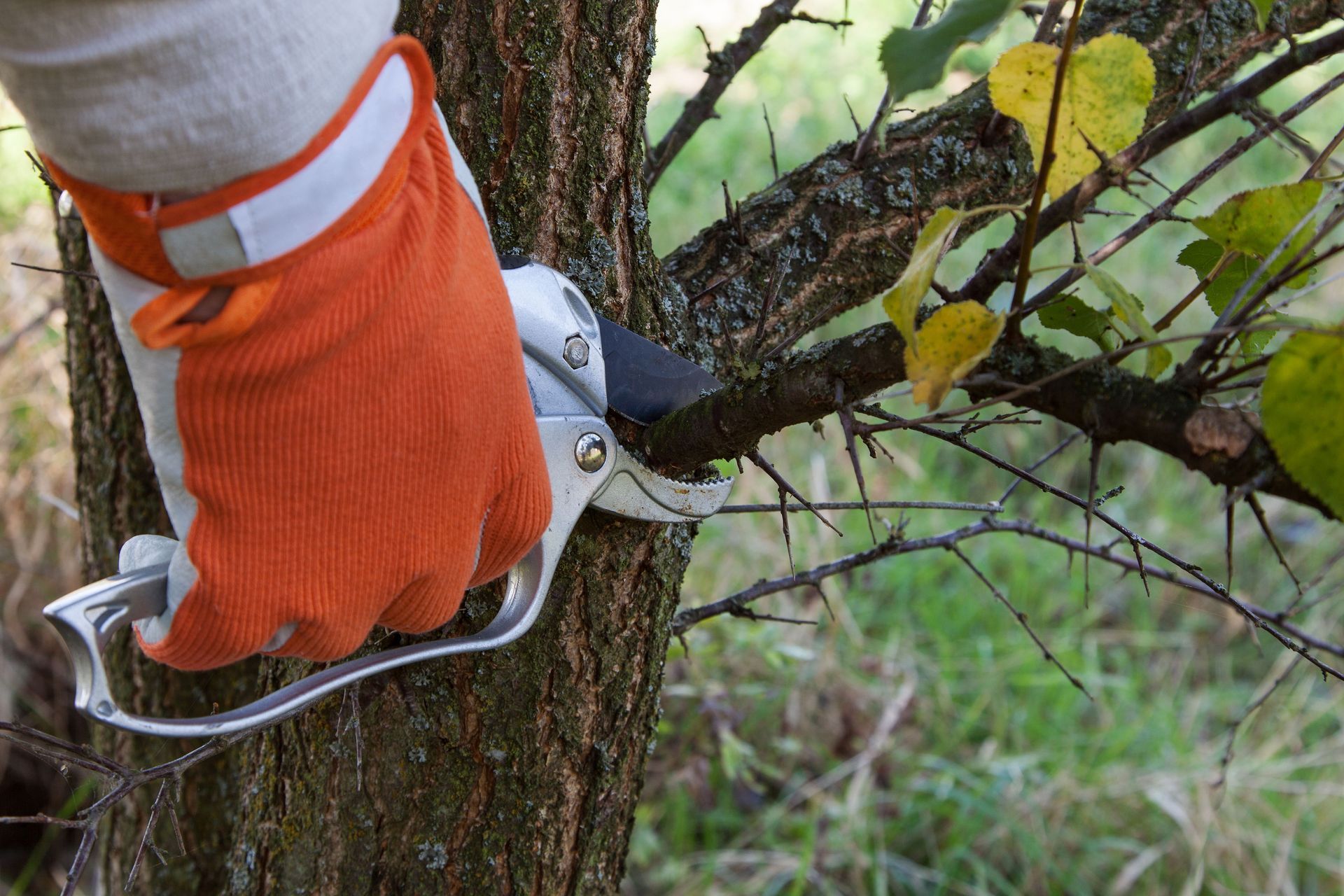
Pruning and trimming are often used interchangeably, but they serve different purposes in professional tree maintenance. Pruning generally focuses on removing specific branches to improve tree health, structure, or safety, while trimming may focus more broadly on managing growth and maintaining a desired shape. Professionals can determine which approach is appropriate based on the species, condition, location, and goals for each tree. Understanding the distinction helps explain why both services may be recommended.
Trees respond to branch removal based on age, health, growth, and environment. Removing the wrong branches or too much growth can affect structure and development. Professional assessment determines which branches should be addressed and how work can support the tree. This makes pruning and trimming complementary rather than interchangeable services.
Improving Tree Health
Pruning can support tree health by removing dead, diseased, damaged, or compromised branches. Removing problematic growth can reduce decay and improve structure. A tree care company can identify branches warranting removal while considering how cuts affect surrounding growth. This keeps maintenance focused on long-term condition.
Healthy trees still require thoughtful branch management. Crowded or poorly positioned branches can create structural concerns. Professional pruning can help manage these conditions before they become more significant problems. The goal is to support healthy, stable growth.
Managing Tree Shape
Trimming is often associated with appearance and managing excessive growth. Trees can develop uneven forms because of growth patterns, weather, structures, or sunlight. Professionals can evaluate the canopy and selectively reduce growth to maintain a more balanced appearance. This can be useful for ornamental trees and prominent landscape areas.
Shape management should account for the natural characteristics of each tree rather than forcing every specimen into the same form. Different species have different growth habits and canopy structures. Professional trimming takes those differences into consideration while addressing the property's aesthetic goals. An appropriate shape can help a tree remain visually compatible with the landscape.
Supporting Structural Growth
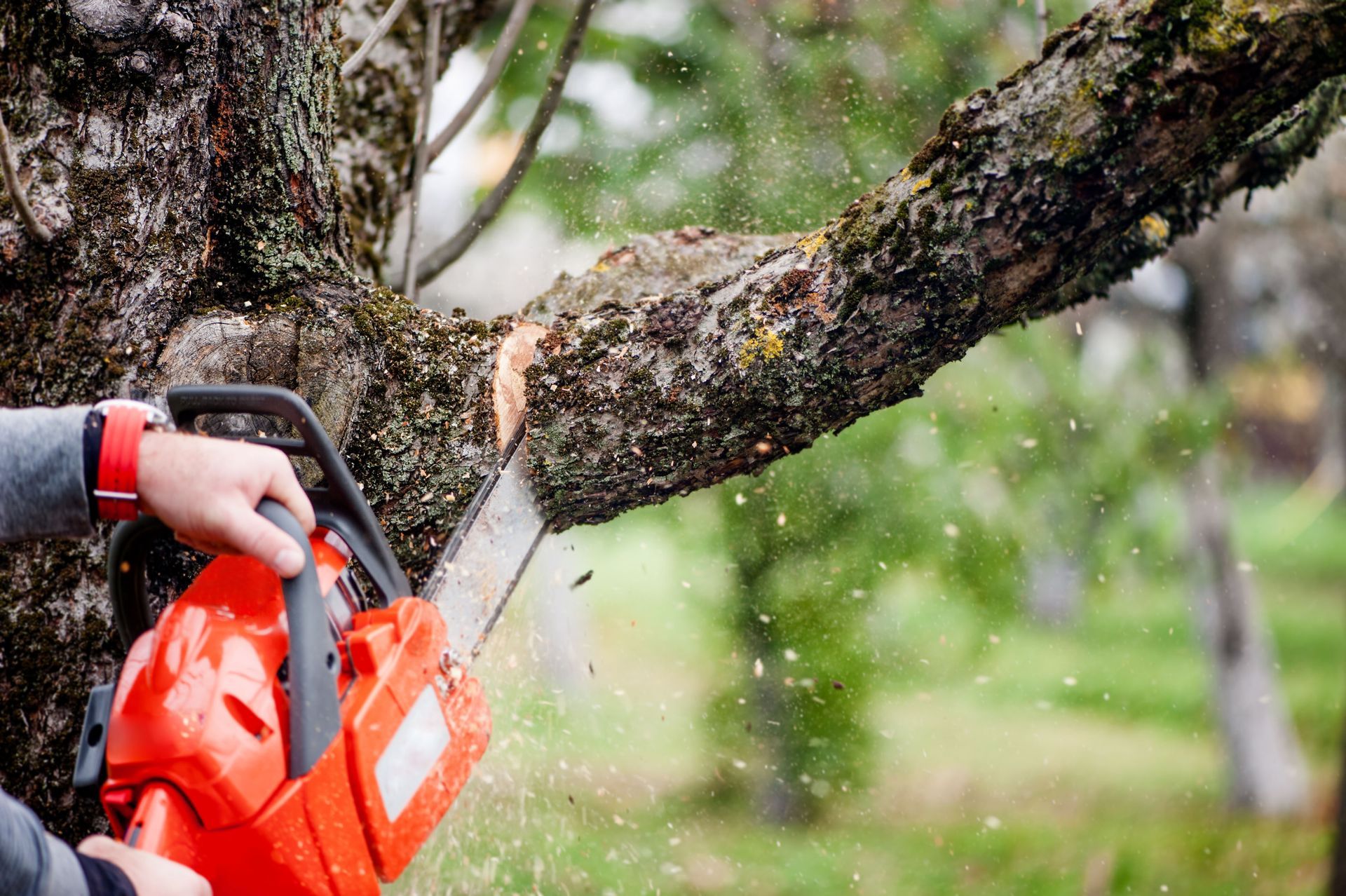
Pruning can also address the structural development of a tree, particularly when branches compete with one another or grow in ways that may create future weaknesses. Early attention can help establish a more balanced branch framework as a tree matures. A tree care company can assess branch unions, spacing, and growth direction when determining which areas require attention. This can be valuable for younger trees developing their permanent structure.
Structural management is also relevant for established trees. Mature trees can develop crossing branches, weak attachments, or growth patterns that become more concerning as branches increase in size. Selective pruning can address certain structural issues while preserving as much healthy canopy as practical. Professional judgment matters because excessive removal can create problems.
Reducing Safety Concerns
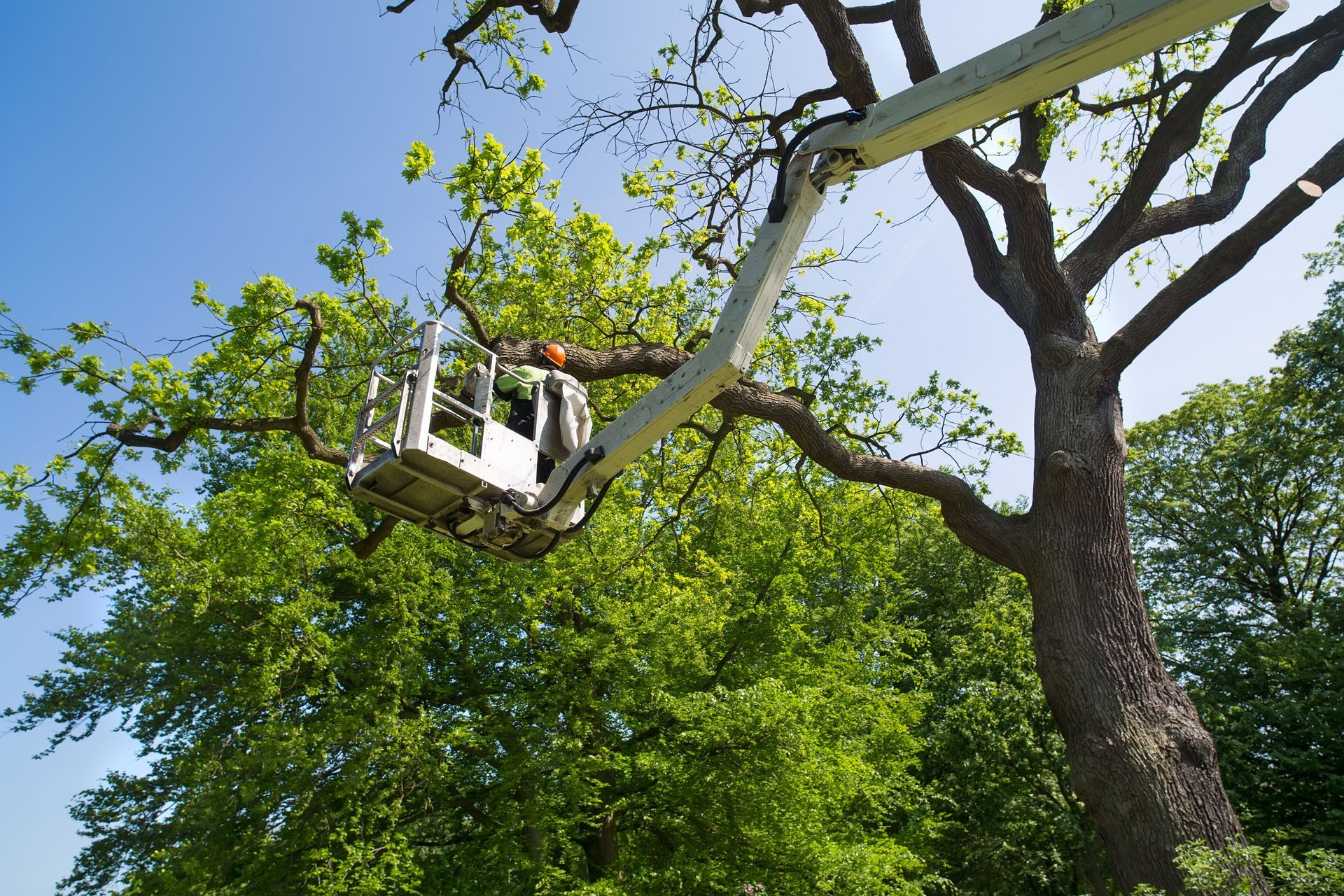
Branches that are dead, broken, weak, or positioned near structures may create safety concerns. Professional pruning can remove problematic branches and help reduce the potential for branch failure in appropriate circumstances. A tree care company can evaluate the location and condition of concerning growth and determine what work is warranted. This is particularly important for trees near homes, walkways, driveways, and other areas where people or property may be present.
Safety-focused work requires more than simply cutting away visible branches. The tree's condition, surroundings, and remaining canopy can influence the appropriate course of action. Professionals can consider these factors while planning service. Their assessment helps ensure pruning decisions address actual concerns rather than appearance alone.
Managing Overgrown Canopies
Trees can become overgrown when branches extend beyond the space appropriate for the landscape. Trimming can help manage excessive growth and keep canopies from interfering with nearby features. A tree care company can evaluate growth around buildings, paths, landscaping, and other site elements before determining how much reduction is appropriate. This can maintain functional outdoor spaces while preserving the tree's form.
Canopy management may improve clearance around accessible areas. Branches extending into walkways or toward structures can create conflicts with normal property use. Selective trimming can address these conditions without treating the entire canopy as something that needs to be reduced. Maintaining appropriate clearance is therefore one part of responsible landscape management.
Protecting Property Features
Trees and structures can share limited space, particularly in established landscapes. Branches may grow toward roofs, siding, fences, outdoor equipment, or other features as a tree matures. A tree care company can evaluate these interactions and determine whether selective pruning or trimming can maintain appropriate separation. Managing growth before branches create significant conflicts can help preserve both the tree and surrounding property features.
Professional attention is useful when trees grow near buildings or permanent structures. The direction and weight of branches can change over time, making periodic assessment important. Properly planned branch management can address developing conflicts while respecting the tree's natural growth. This balanced approach can support a healthier relationship between trees and the built environment.
Supporting Landscape Appearance
Well-maintained trees contribute to the overall appearance of a property. Uneven growth, dead branches, and excessive canopy density can make a landscape look neglected even when other features are carefully maintained. Trimming can help create a cleaner visual presentation, while pruning can address specific health and structural concerns. A tree care company can coordinate both approaches to maintain trees as an integrated part of the landscape.
Landscape appearance is not about making every tree perfectly symmetrical. Natural variation gives trees character, and professional maintenance can preserve it while controlling problematic growth. Selective work can improve visual balance without unnecessarily removing healthy branches. This allows trees to remain attractive while preserving shade and other environmental benefits.
Addressing Seasonal Growth
Trees change throughout the year, and their maintenance needs can change along with them. New growth, storm damage, seasonal dieback, and changing canopy density may create different conditions that require professional attention. A tree care company can evaluate seasonal conditions and determine whether pruning or trimming is appropriate. Timing can vary according to tree species, local conditions, and the specific reason for service.
Seasonal planning can also help property owners keep tree maintenance organized. Addressing concerns at appropriate times can support natural growth and reduce landscape conflicts. Professional scheduling considers tree condition and service objectives. This creates a deliberate approach to maintenance.
Balancing Appearance and Health
The distinction becomes clearer when considering each service's objectives. Pruning is often more targeted toward tree health, structural development, and safety, while trimming can focus more on managing growth, clearance, and appearance. A
tree care company may use either service independently or combine them when a tree has several needs. The approach depends on the tree and property's needs.
Tree maintenance works best when appearance and health are considered together. Removing branches solely for visual reasons can sometimes conflict with the tree's biological needs, while ignoring excessive growth can create landscape and clearance issues. Experienced professionals can balance these considerations when developing a maintenance plan. This preserves healthy growth while keeping trees compatible with their surroundings.
Choosing Professional Tree Maintenance
Professional tree maintenance involves more than deciding whether a tree needs to look smaller or neater. According to Lawn Starter, the lawn care and landscaping industry employs approximately 1.4 million people, reflecting the substantial workforce dedicated to maintaining outdoor environments. Within that industry, trained tree professionals provide specialized knowledge for evaluating trees and determining maintenance strategies. Their expertise can help property owners understand why pruning, trimming, or both may be necessary.
C & J Tree Services can help property owners manage trees with professional attention to health, structure, appearance, and safety. We evaluate the condition and surroundings of trees before determining which services are appropriate for their needs. We provide pruning and trimming designed to support healthy growth while keeping trees compatible with the property. Contact C & J Tree Services to discuss your tree maintenance needs and schedule service.