July 13, 2026
Maintaining a vibrant landscape requires much more than occasional watering and mowing. Homeowners often view large woody plants as self-sustaining fixtures that only require attention after a storm or when limbs interfere with power lines. However, the health and stability of these grand organisms depend on advanced care mechanisms that operate beneath the surface and within the canopy. Neglecting these requirements can lead to sudden property damage, declining plant health, and expensive remediation efforts later on. Property owners routinely turn to certified local tree services to identify hidden vulnerabilities and implement proactive care strategies. Understanding these specialized options helps managers protect valuable natural assets.
1. Analyzing Depleted Soils
The health of any large plant begins directly within the earth, where the root system seeks out hydration, stability, and essential elements. Many residential properties suffer from depleted topsoil due to construction grading, continuous erosion, and the regular removal of fallen leaves that would naturally decompose and replenish the earth. When the ground lacks appropriate elements, plants exhibit stunted leaf growth, premature autumn color changes, and increased susceptibility to environmental stress. Professional diagnostic testing allows experts to uncover the exact composition of the substrate, measuring pH levels and identifying specific deficiencies that hinder growth. Armed with this accurate data, specialists apply targeted subterranean applications that restore the biological balance of the yard.
This advanced testing procedure goes far beyond standard over-the-counter garden kits that only offer a rudimentary glimpse into ground health. By partnering with experienced local tree services, homeowners receive detailed laboratory assessments along with customized prescription fertilization plans tailored to specific species requirements. Technicians inject liquid organic solutions directly into the root zone under controlled pressure, bypassing surface vegetation and delivering nutrition precisely where it can be absorbed efficiently. This specialized methodology also alleviates ground tightness, improving gas exchange and water penetration throughout the root zone. Investing in comprehensive ground analysis establishes a robust foundation for long-term vitality, preventing the slow decline that often plagues suburban landscapes.
2. Pruning Overgrown Canopies
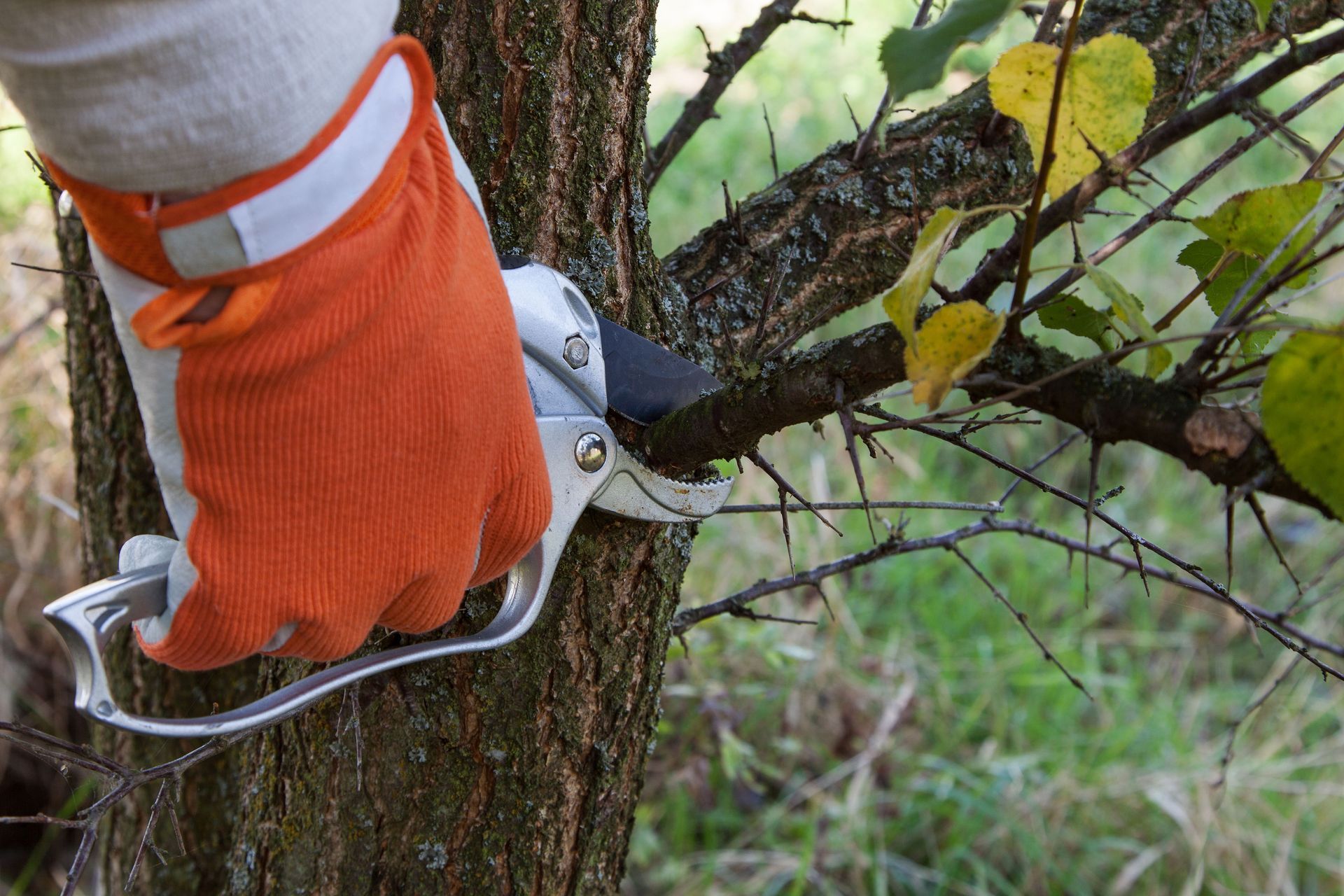
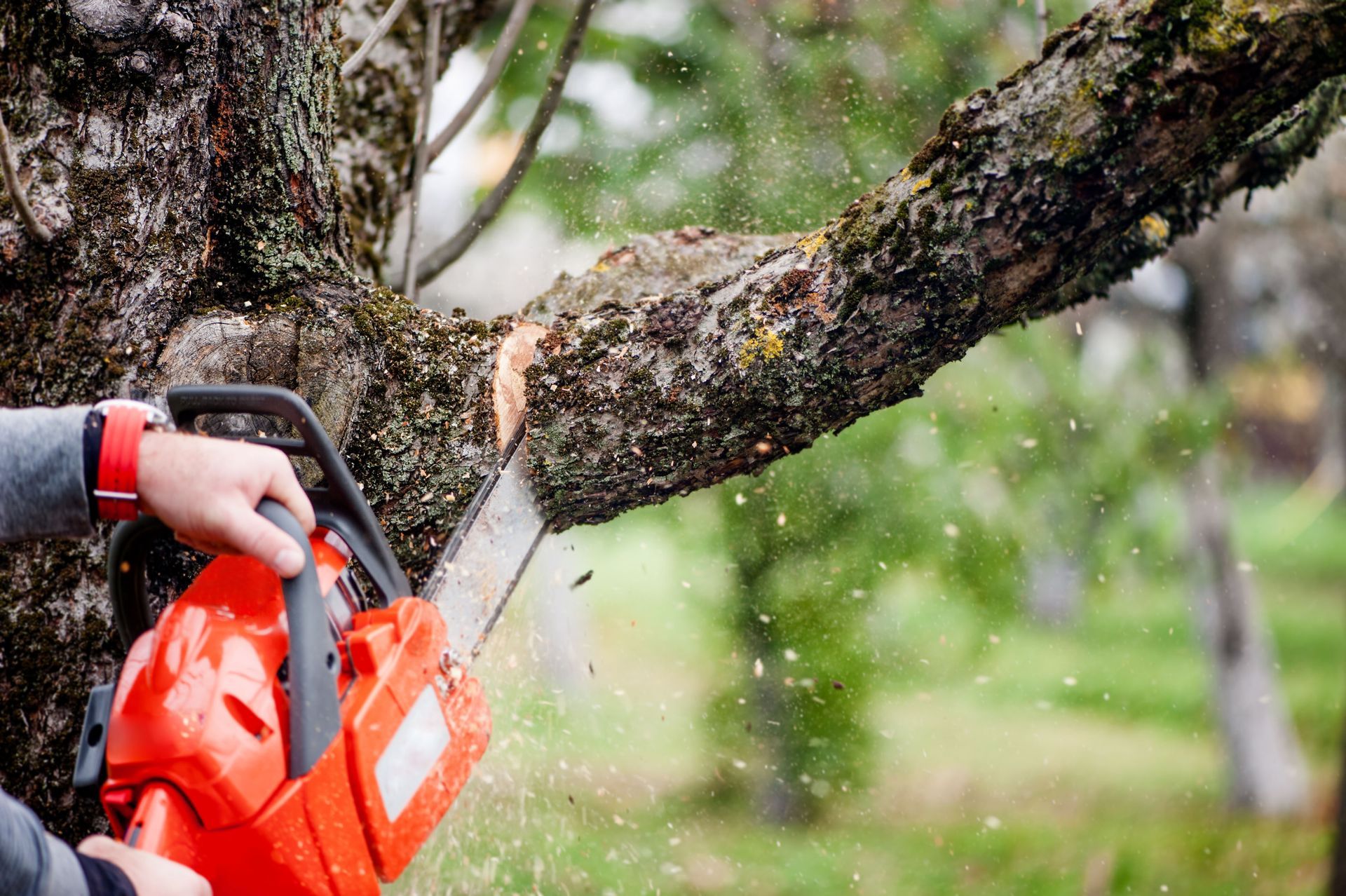
Maintaining the structural integrity of upper branches is a critical task that requires a deep understanding of plant anatomy and physics. Over time, large canopies develop dense interior growth, crossing limbs, and weak structural attachments that pose significant hazards during periods of high winds or heavy precipitation. Standard maintenance involves the precise removal of dead, dying, or diseased limbs to prevent decay from entering the main trunk system. Furthermore, thinning the inner canopy allows wind to pass through branches safely, reducing the sail effect that can completely uproot a healthy specimen during a severe weather event. Proper cuts must be executed outside the branch collar to facilitate natural sealing and prevent permanent structural rot.
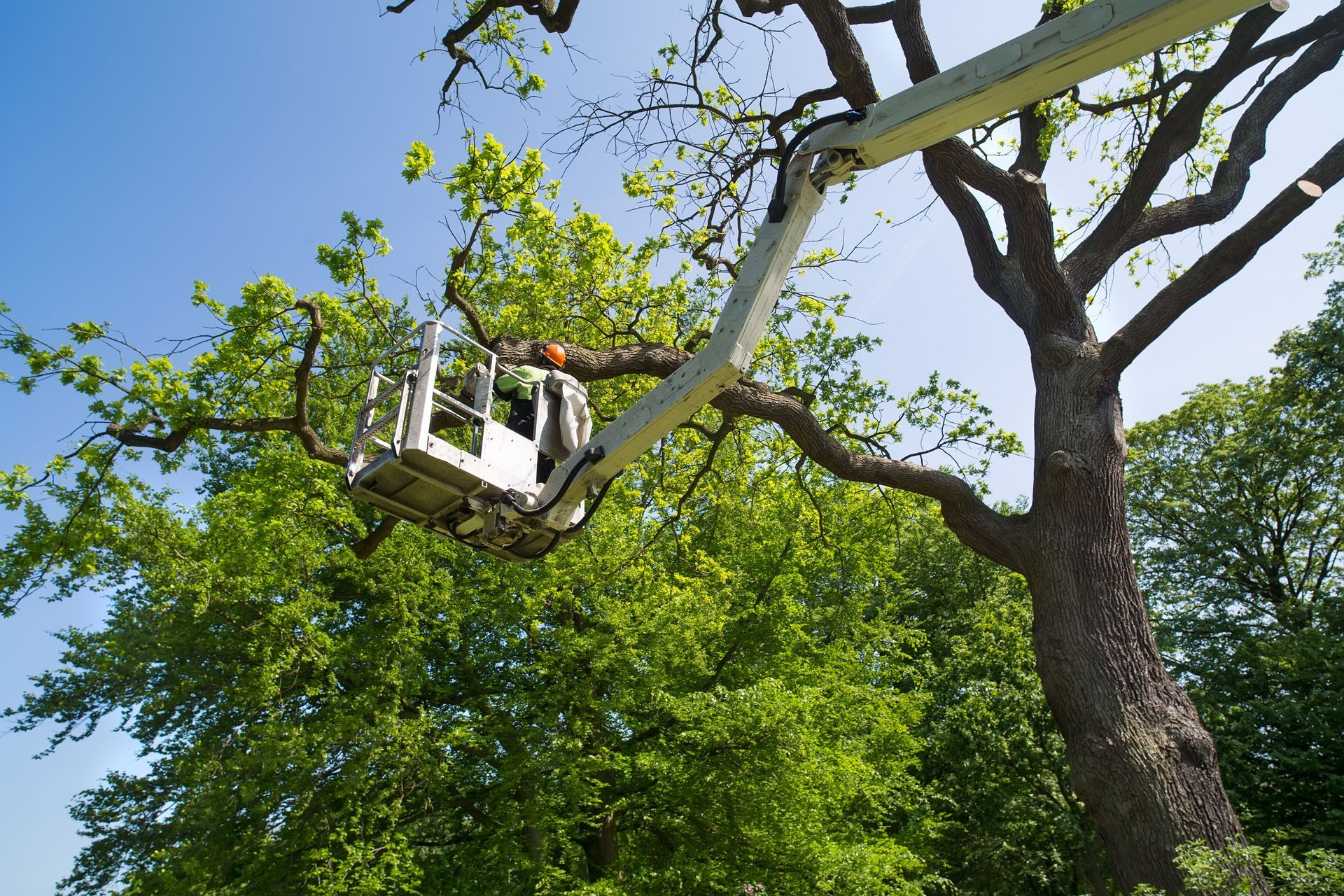
The scale of this industry reflects the widespread necessity of professional canopy care across residential and corporate properties nationwide. According to IBIS World, there were 165,007 Tree Trimming Services in the U.S. businesses as of 2024. This vast network of practitioners underscores the critical importance of utilizing reputable local tree services for complex aerial operations rather than attempting dangerous amateur maintenance. Certified arborists utilize sophisticated climbing gear, aerial lifts, and specialized cutting instruments to shape canopies without causing collateral damage to nearby structures or turf. Regular pruning not only mitigates the immediate risk of falling limbs but also encourages optimal sunlight penetration, fostering a lush understory and enhancing the overall beauty of the property.
3. Grinding Stubborn Stumps
When a large plant is removed, the remaining base often presents an ongoing nuisance and safety hazard for property owners. Leaving a stump to decay naturally in the yard can take decades, during which time it becomes a prominent tripping hazard and an obstacle for lawn maintenance machinery. Furthermore, these decaying remnants frequently attract wood-boring pests, including termites and carpenter ants, which can eventually migrate toward residential foundations and outbuildings. Choosing a professional mechanical elimination process ensures that the entire underground mass is reduced to useful mulch, clearing the area completely for subsequent landscaping projects or turf reinstallation. This intensive procedure reaches deep below the surface to sever major lateral support networks.
Utilizing advanced machinery requires specific safety protocols and technical expertise to avoid damaging buried utility conduits, irrigation lines, or nearby paved surfaces. Reputable local tree services operate high-powered mechanical equipment equipped with sharp cutting wheels that systematically pulverize stubborn woody tissue into rich organic matter. This shredded material can then be repurposed as protective mulch for nearby garden beds or hauled away to restore a level lawn profile. Eliminating the base also prevents persistent sprout regrowth that often emerges from dormant root systems, saving homeowners from the repetitive chore of cutting back unwanted shoots. Complete removal restores full usability to the landscape while eliminating potential pest breeding grounds.
4. Inspecting Subterranean Roots
The underground structural network of a mature specimen is often completely out of sight, making it difficult for property owners to identify structural decay or conflict until visible damage occurs. Urban developments, driveways, sidewalks, and home expansions frequently encroach upon root zones, causing mechanical injuries and severing vital pathways. Furthermore, root systems can wrap around the main trunk base, creating a strangling constriction that slowly suffocates the vascular system of the plant over time. Specialized diagnostic investigations utilize advanced technology, including sonic tomography and air excavation, to reveal these hidden underground configurations without damaging delicate bark or root tissue. Discovering these anomalies early allows for non-invasive interventions that save mature landscape specimens.
When property managers consult with knowledgeable local tree services, they gain access to these cutting-edge diagnostic methodologies that protect underground infrastructure. Air excavation tools can safely clear away compacted soil around the root flare, exposing girdling structures that can then be surgically removed by a qualified specialist. This process also provides an excellent opportunity to evaluate the structural stability of the main anchor system, ensuring the plant is capable of supporting its massive upper weight. Addressing subsurface issues before they manifest as canopy dieback preserves magnificent historical features that add immense value to the property. Deep inspection bridges the gap between visible symptoms and underlying subterranean realities.
5. Treating Destructive Diseases
Woody plants are susceptible to an array of biological threats, including fungal pathogens, bacterial blights, and aggressive insect infestations that can rapidly devastate a landscape. Diseases like oak wilt, emerald ash borer infestations, and specialized leaf spots often display subtle initial indicators that go unnoticed by untrained eyes until systemic damage has occurred. Professional care involves regular health checks and the deployment of advanced treatments, such as systemic trunk micro-injections and targeted canopy applications. These interventions deliver protective formulas directly into the active sapwood, allowing natural vascular flow to distribute medicine throughout the entire organism. This direct delivery system minimizes environmental runoff and maximizes the efficacy of the treatment.
Managing these biological threats requires a comprehensive understanding of regional pests and local environmental conditions that promote disease development. Trusted local tree services monitor seasonal insect emergence patterns and fungal spore releases to time therapeutic interventions for maximum effect. By applying specialized preventative treatments, professionals can shield vulnerable specimens from catastrophic infestations that are currently sweeping through the region. This proactive approach saves homeowners from the heartbreaking necessity of removing mature, irreplaceable features from their yards due to preventable illnesses. Consistent medical oversight ensures that properties remain beautiful, safe, and biologically resilient against emerging ecological challenges.
Safeguarding the safety and longevity of a residential landscape demands an awareness of specialized care options that extend far beyond basic lawn maintenance. From analyzing soil profiles and pruning canopy branches to grinding remnant stumps, inspecting deep roots, and treating chronic diseases, each intervention plays an indispensable role in maintaining ecological harmony. Relying on professional expertise ensures that these highly technical, hazardous operations are executed with precision using modern equipment. Partnering with a dedicated service team prevents unexpected property damage, maintains property value, and preserves magnificent specimens for future generations. To ensure your landscape receives the highest level of comprehensive attention and specialized care, consider taking the time to contact C & J Tree Services.